

Sintra: the fairytale town just minutes from Lisbon
Nestled among mist-covered hills and lush forests, Sintra is one of the most magical towns in Portugal. Listed as a UNESCO World Heritage Site since 1995, this jewel of the Serra de Sintra combines colourful palaces, secret estates, romantic gardens and a breathtaking natural landscape. Just 40 minutes from Lisbon by train, it is the perfect destination for a memorable escape — whether for a day trip or a full weekend.
In this guide, we explore the best places to visit in Sintra, the must-see attractions, practical tips and everything else you need to make your visit unforgettable.
The stunning Pena National Palace
The undisputed symbol of Sintra, the Pena Palace is a Romantic masterpiece blending Gothic, Manueline, Moorish and Renaissance styles. With its towers painted in vivid yellow and red rising above the forest, this palace looks like it has stepped straight out of a fairytale. It was commissioned by King Ferdinand II in the 19th century and has become one of the most visited monuments in Portugal.
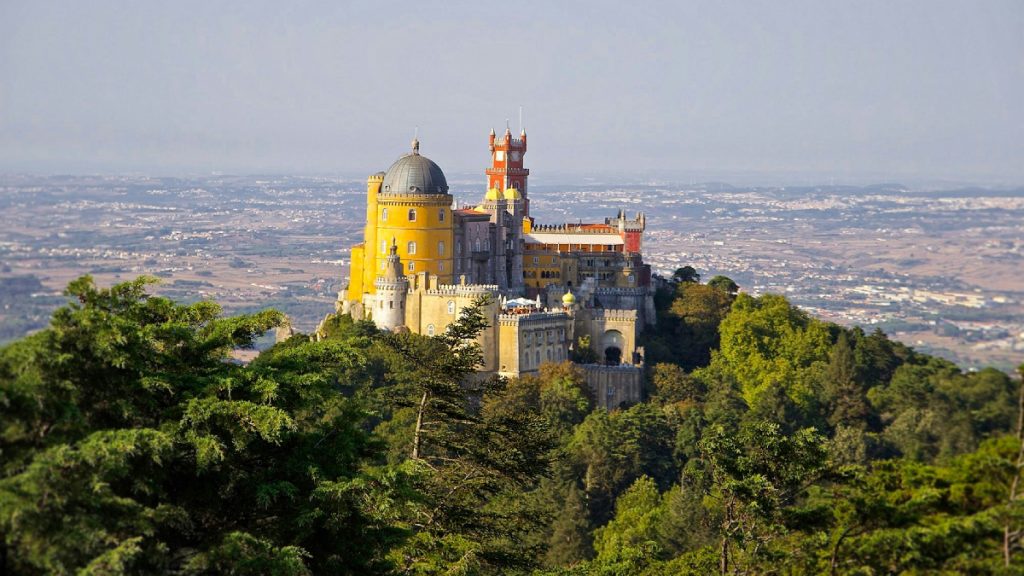
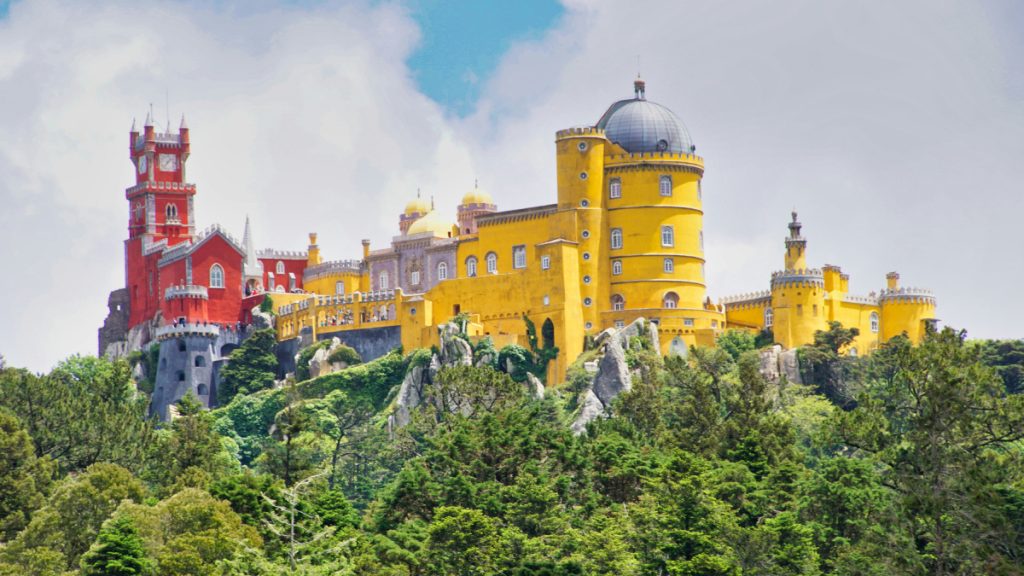
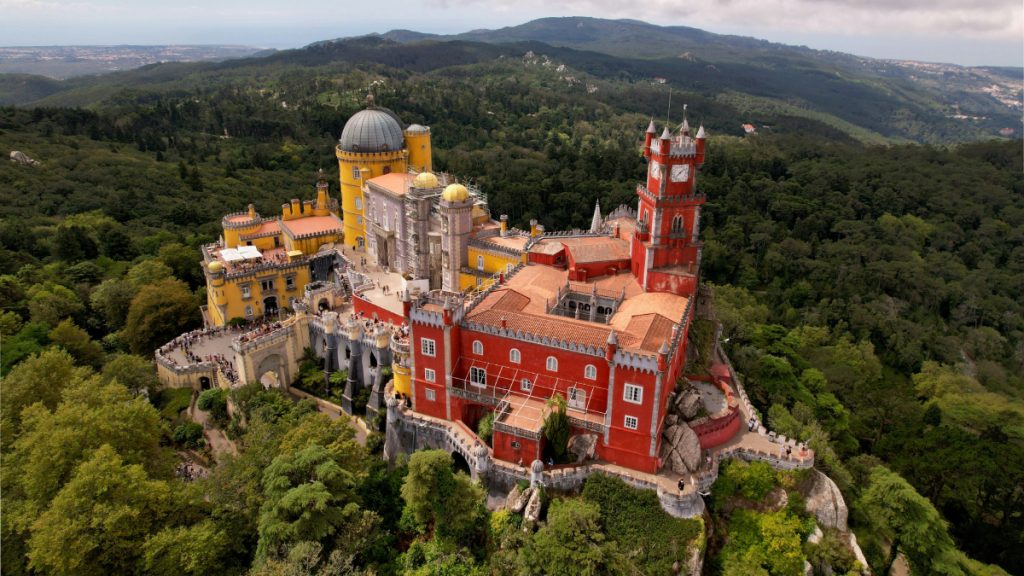
The interior preserves its original decoration, with richly ornamented rooms that transport visitors back to the era of Portuguese royalty. The surrounding gardens — the Pena Park — cover more than 85 hectares of forest and hide statues, lakes and trails that invite exploration.
Tip: Arrive before 10am to avoid queues and enjoy panoramic views over the Serra and, on clear days, all the way to the Atlantic Ocean.
The mysterious Quinta da Regaleira
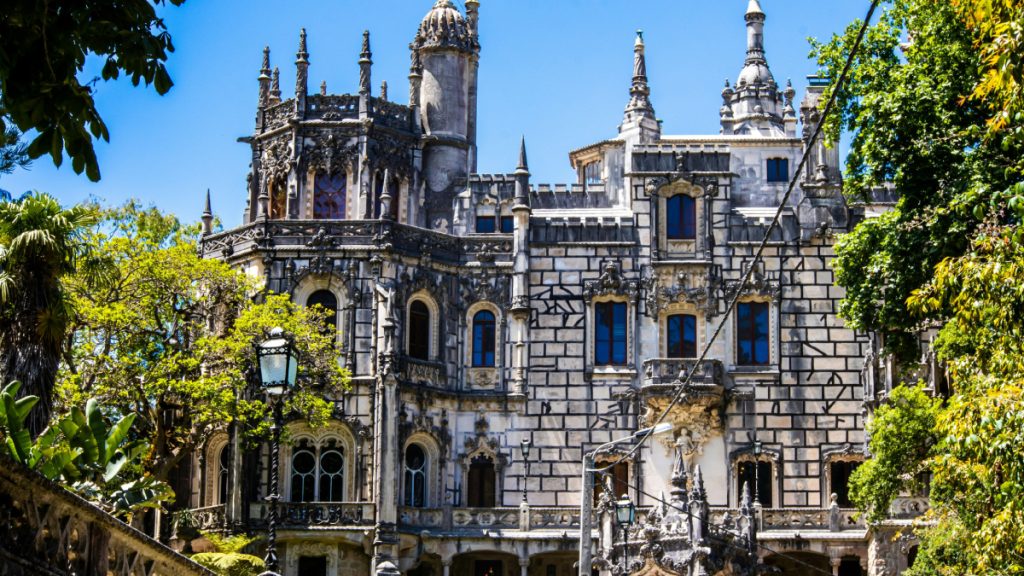
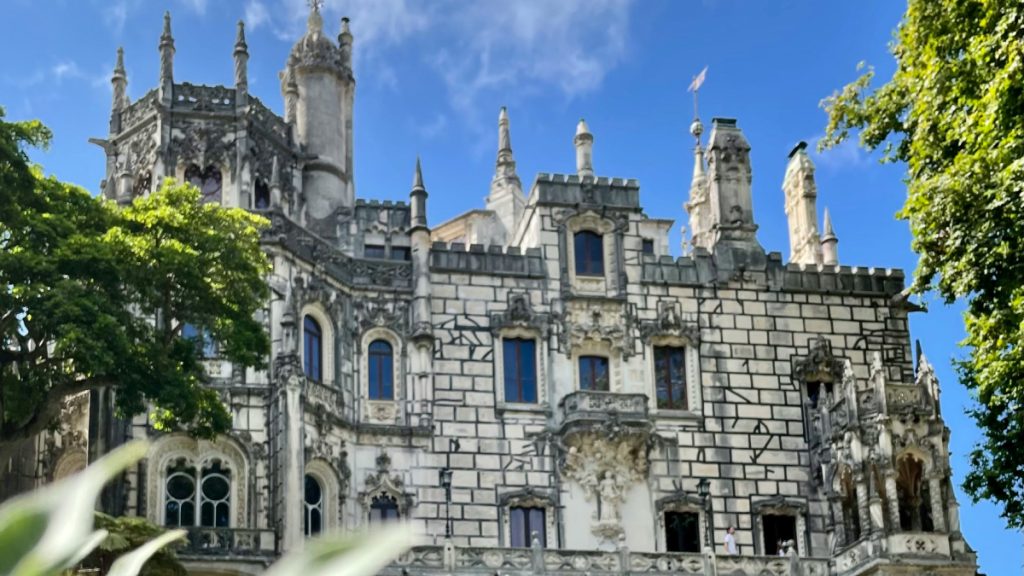
If there is one place in Sintra that truly fires the imagination, it is Quinta da Regaleira. This fascinating estate, built in the early 20th century by the eccentric millionaire António Augusto Carvalho Monteiro, is filled with Masonic, alchemical and mythological symbolism.
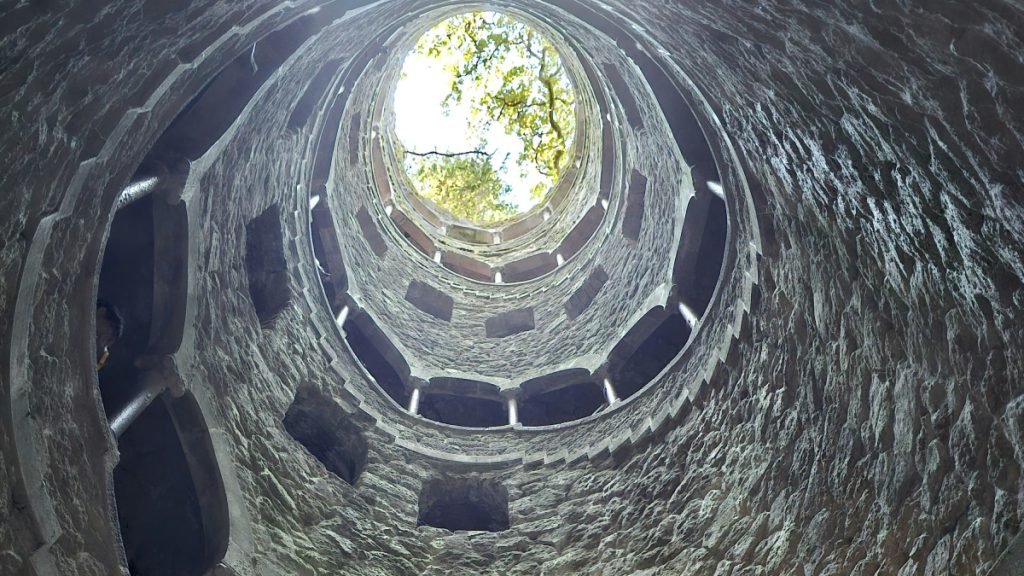
The highlight is the famous Initiation Well — an inverted tower descending 27 metres underground, connected by tunnels to other points around the gardens. The estate also features a neo-Gothic palace, an ornate chapel and labyrinthine gardens where every detail conceals a hidden meaning. A visit here is a genuine adventure for those who love history and mystery.
The imposing Moorish Castle
For those who appreciate history and stunning views, the Moorish Castle is a must-visit. Built between the 8th and 9th centuries during the Islamic occupation of the Iberian Peninsula, this medieval fortress offers some of the best panoramas in and around Sintra.
The walk along the battlements is moderately challenging, but the reward is a spectacular view over the village of Sintra, the Pena Palace in the background and, on clear days, the Atlantic coastline in the distance. The walking route from the village centre takes around 40 minutes through the forest — a pleasant walk in itself.
The charm of Sintra National Palace
At the heart of the village, Sintra National Palace is the oldest royal palace on the Iberian Peninsula still standing. Instantly recognisable by its two enormous conical chimneys, this palace served as a residence for the Portuguese royal family for several centuries.
The interior houses an extraordinary collection of medieval azulejo tiles, Persian carpets and hand-painted ceilings. The Coat of Arms Room, with its ceiling decorated with the shields of Portugal’s leading noble families, and the Swan Room are highlights not to be missed.
Exploring Monserrate Park and Palace
A few kilometres from the centre, Monserrate Palace is one of Sintra’s best-kept secrets. This Moorish-Gothic palace, surrounded by a 30-hectare botanical garden, attracts far fewer visitors than the more famous sites — making for a much more peaceful and intimate experience.
The Monserrate garden is a masterpiece of landscape design, with species from around the world — from tropical plants to giant bamboo — creating an almost surreal atmosphere. The blend of architectural styles and the beauty of the gardens make this palace one of the most photogenic spots in the region.
Tasting Sintra’s famous pastries
No visit to Sintra is complete without trying the local sweet specialities. The travesseiros — puff pastry filled with almond and egg cream — are the signature pastry of Sintra and can be found at the iconic Piriquita, a bakery with over 100 years of history in the historic centre.


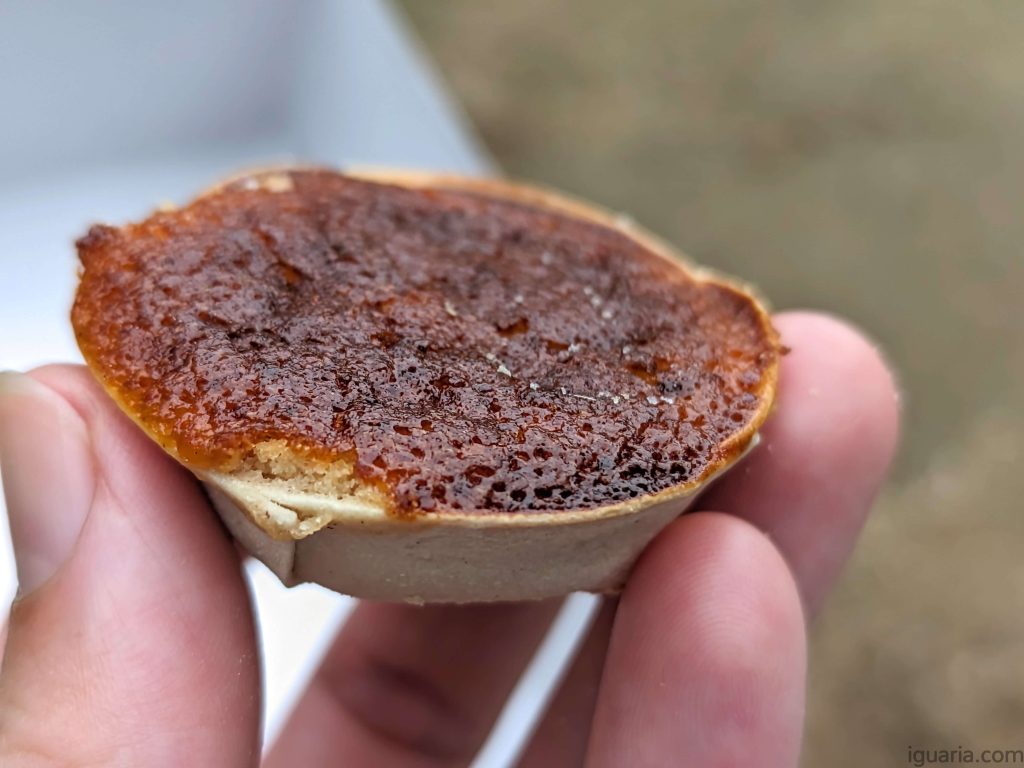
The queijadas de Sintra, made with fresh cheese, sugar, eggs and flour, are another classic not to be missed. Also look out for local Sintra honey, produced in the area and available at markets and shops throughout the village.

Practical tips for visiting Sintra
How to get there: Trains to Sintra depart from Rossio Station or Lisbon Oriente Station throughout the day. The journey takes 40 to 45 minutes and is the most comfortable option.
When to visit: Sintra welcomes millions of visitors every year. For a quieter experience, visit on a weekday or during September to November and February to April. Summer (July and August) is the busiest period.
How much time to allow: To visit the main palaces (Pena, Regaleira, Moorish Castle and National Palace), allow at least two days. For a day trip, focus on Pena Palace and Quinta da Regaleira if you start early.
Tickets: Buy tickets online in advance, especially in high season, to avoid long queues. Parques de Sintra offers combined passes at a discount.
Frequently Asked Questions about Sintra
To visit the main palaces and monuments, we recommend at least two days. In a single day it is possible to visit Pena Palace and Quinta da Regaleira if you start early.
The easiest way is by train, departing from Rossio or Oriente station. The journey takes around 40 minutes and trains run regularly throughout the day.
Yes. The Cultural Landscape of Sintra was listed as a UNESCO World Heritage Site in 1995, thanks to its unique combination of Romantic palaces, historic gardens and natural landscape.
Pena Palace is the most iconic and widely visited. Quinta da Regaleira is perfect for those who enjoy mystery and symbolism. Sintra National Palace is ideal for learning about Portuguese royal history.
Absolutely. Winter brings fewer visitors, lower accommodation prices, and the mist that envelops the palaces creates an even more magical and photogenic atmosphere.
Discover other destinations to explore in Portugal:
Peneda-Gerês National Park
Serra da Arrábida a natural gem near Lisbon
Óbidos discover its charms